
Dishwasher Not Draining? What It Means and How to Fix It (San Diego Repair Guide)
Dishwasher not draining? Learn what standing water means, common causes—clogged filter, drain pump, hose issues—and when to call a professional in San Diego.
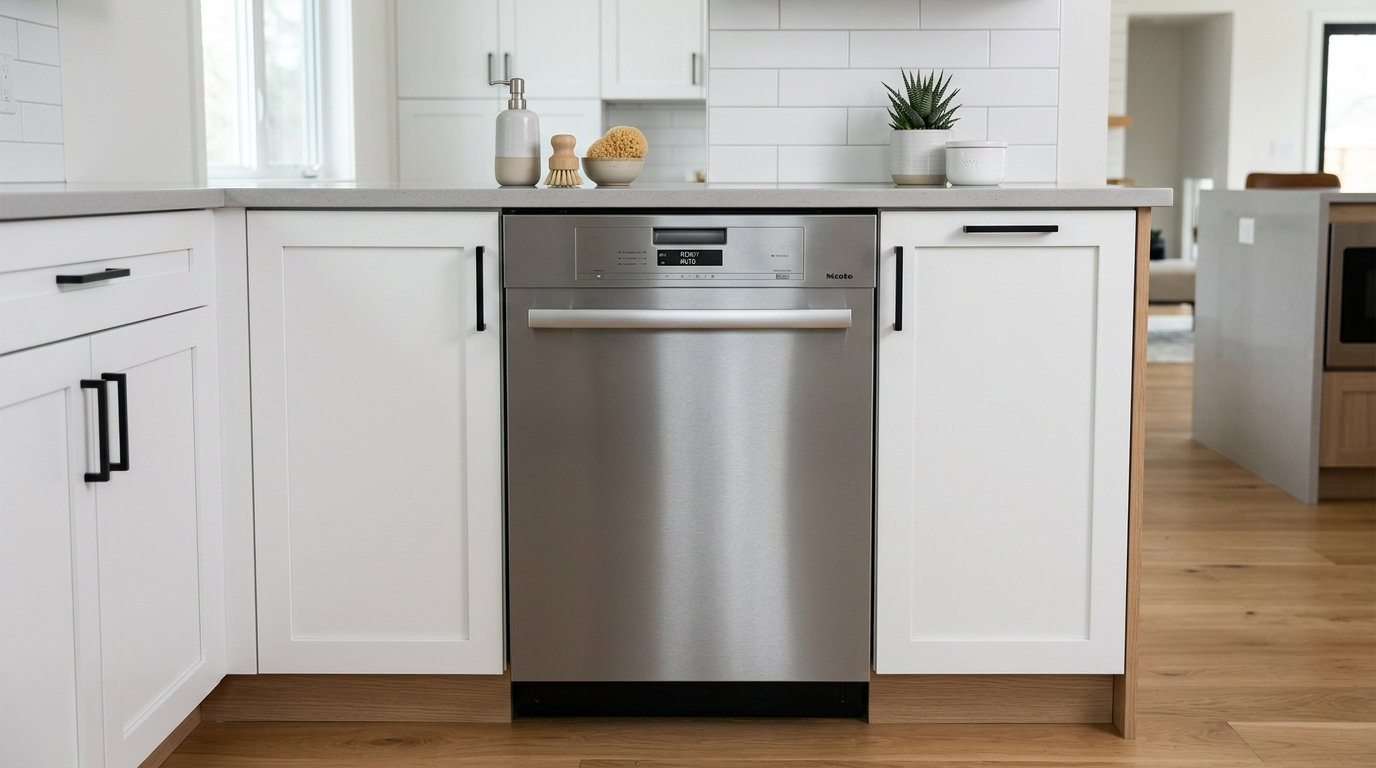
Opening your dishwasher after a cycle and seeing standing water at the bottom is never a good sign. A dishwasher that doesn't drain properly can leave dishes dirty, cause unpleasant odors, and even lead to water damage in your kitchen.
Many homeowners search for answers like: dishwasher not draining, dishwasher full of water after cycle, dishwasher not draining completely, dishwasher repair near me, dishwasher repair San Diego.
The good news is that a dishwasher that won't drain usually gives clear warning signs before a serious breakdown happens. This guide explains how dishwasher drainage systems work, what symptoms mean, and when professional dishwasher repair is needed.
1 How a Dishwasher Drains Water
At the end of every wash cycle, your dishwasher must remove dirty water from the tub. This happens through a simple system:
- Water collects at the bottom of the dishwasher
- The drain pump activates
- Water moves through the drain hose
- The hose connects to either a garbage disposal or household drain
If something interrupts this process, water remains inside the machine.
2 What Standing Water in the Dishwasher Actually Means
Seeing water inside the dishwasher does not always mean the appliance is broken. Some water is normal because dishwashers keep a small amount in the sump area. However, if you see more than a thin layer of water, it usually means the dishwasher could not complete the drain cycle.
Typical warning signs include:
- Water covering the bottom of the tub
- Dishwasher stopping before the final cycle
- Dishes coming out dirty or greasy
- Bad odors from stagnant water
These symptoms usually point to a problem somewhere in the drainage path.
When the dishwasher stops draining during the cycle: It may pause mid-cycle, display an error code, or make a humming sound without draining. This often indicates the drain pump cannot move water out. Food particles, grease buildup, or debris can block the drainage path.
3 Common Causes of Dishwasher Drain Problems
1 Food Debris in the Filter
Dishwashers are designed to handle food particles, but large debris can accumulate in the filter system. Over time this buildup can slow water flow and cause drainage issues. Common sources: pasta or rice, vegetable peels, grease and oils, broken glass fragments. This is why manufacturers recommend regular filter cleaning.
2 Drain Hose Issues
The drain hose carries water from the dishwasher to the plumbing system. If the hose becomes restricted or improperly installed, water cannot exit efficiently. Problems often occur when the hose:
- • Becomes kinked behind the dishwasher
- • Accumulates grease buildup
- • Is installed without a high loop
- • Is connected incorrectly to the garbage disposal
Improper hose installation is a surprisingly common cause.
3 Garbage Disposal Connection
In many kitchens, the dishwasher drains through the garbage disposal. If the disposal becomes clogged or the dishwasher connection plug was never removed during installation, water will remain inside the dishwasher.
Signs:
- • Dishwasher drains slowly
- • Water backs up into the sink
- • Gurgling sounds during draining
4 Drain Pump Failure
The drain pump is responsible for pushing water out of the dishwasher. When the pump motor becomes worn or obstructed, it may no longer move water effectively. Drain pump problems are one of the most common reasons homeowners schedule dishwasher repair.
Instead of draining, the dishwasher may:
- • Produce a humming noise
- • Attempt to drain repeatedly
- • Leave water behind after every cycle
4 Dishwasher Smells Bad When It Won't Drain
Standing water inside a dishwasher creates the perfect environment for bacteria and odors. If the dishwasher has a strong smell, it often means water has been sitting inside the machine for an extended period.
This can happen when:
- Food particles remain trapped in filters
- The drain system is partially blocked
- Water is not fully removed after cycles
Cleaning the filter and restoring proper drainage usually resolves the issue.
5 What Homeowners Can Safely Check
Before scheduling professional dishwasher repair, a few simple checks can sometimes solve the problem:
Inspect the Dishwasher Filter
Most modern dishwashers have a removable filter at the bottom. Cleaning it regularly prevents drainage issues.
Check the Garbage Disposal
Run the disposal to ensure it is not clogged.
Inspect the Drain Hose
Make sure the hose is not kinked or crushed behind the dishwasher.
Reset the Dishwasher
Unplug the appliance for a few minutes to reset the control system.
6 When Dishwasher Repair Is Needed
Professional dishwasher repair is recommended when:
- Water remains after every cycle
- The dishwasher makes unusual noises during draining
- The dishwasher stops mid-cycle
- Error codes appear on the control panel
- Drainage problems keep returning
Ignoring drainage issues can eventually damage the pump or motor.
7 Dishwasher Repair in San Diego
Constant Appliance Service provides same-day dishwasher repair in San Diego. Our technicians diagnose drainage problems quickly and service all major brands including:
Professional diagnosis ensures the correct repair is performed the first time.
Related Services
Frequently Asked Questions
Why is there water left in my dishwasher after a cycle?
Can a clogged filter stop a dishwasher from draining?
Is it safe to run a dishwasher that won't drain?
How long should a dishwasher drain cycle take?
Need Appliance Repair Today?
Call us now for same-day service. Our expert technicians are ready to help!